
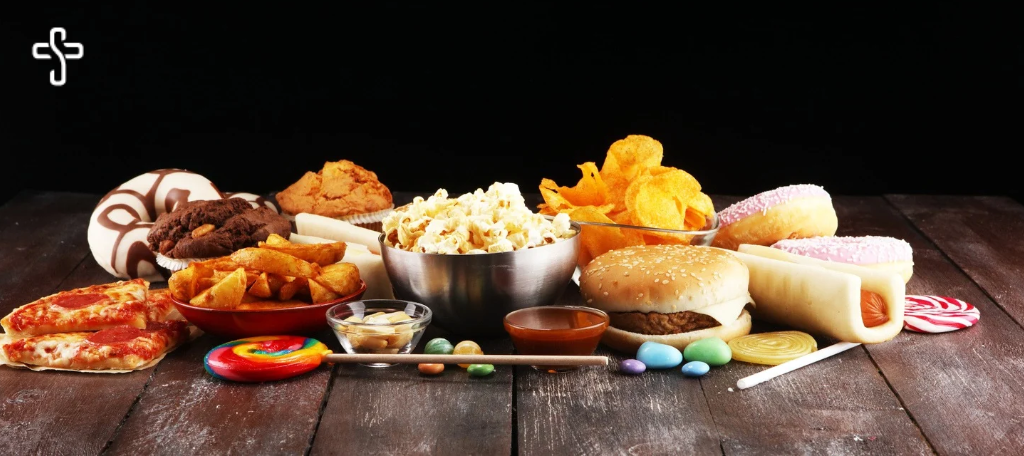
Ultra-processed foods (UPFs) have become one of the biggest talking points in nutrition and public health. From breakfast cereals and packaged snacks to ready-made meals and carbonated drinks, these products are a major part of modern diets. But are they all as harmful as headlines and social media suggest? A recent article published in The Conversation takes a deeper look at that question by diving into the science and politics surrounding ultra-processed foods. Its findings reveal that the issue is far more complicated than many may realize.
Understanding Ultra-Processed Foods
The NOVA Food Classification System, developed by Brazilian epidemiologist Carlos Monteiro in 2009, divides foods into four categories according to their level of processing. Ultra-processed foods fall into the fourth category. They are typically industrially- manufactured products containing ingredients and additives not commonly used in home cooking. These may include flavorings, colorings, preservatives and modified ingredients designed to improve taste and texture and significantly increase shelf life.
The Link Between Ultra-Processed Foods and Poor Health
Research has linked higher consumption of ultra-processed foods with an increased risk of several chronic conditions, including heart disease, obesity and diabetes. Unfortunately, determining the exact root cause of these conditions is difficult. However, some researchers believe that a key factor may depend on the way the foods are processed or packaged. For example, some evidence shows that the temperature of the oils used during production and the presence of microplastics in packaging used can affect how the foods are digested and can potentially “disrupt the gut microbiome,” which negatively impacts consumers’ metabolic and immune health.
Beyond Nutrition: The Bigger Picture
The discussion about ultra-processed foods also raises important questions about food affordability, convenience, and corporate influence. Ultra-processed foods are often inexpensive, widely available, and convenient options for busy households. However, that convenience appears to come at an increasingly high cost – individuals’ health. And it’s making many realize that there is a larger issue at stake: transparency in the modern food industry. While some brands, such as Otis Spunkmeyer, Nestle, and PepsiCo, have introduced new versions of their products that limit or exclude over-processed ingredients and artificial dyes, there are many improvements still to be made among global food manufacturers.
Finding a Balanced Approach – Solidarity Can Help!
When choosing what foods to eat, regardless of how processed they are, it’s important to look at nutrition facts and consider consuming certain items in moderation. To that end, our team at Solidarity HealthShare is committed to helping our Members with their nutrition and health needs. We are proud to offer a wealth of resources that help Members with everything from understanding basic nutrition to weight management. For Members who may need additional support in this area, we also provide a program called Solidarity Well. For only $80 a month, Members who enroll in the program can work with a personal health coach to identify health goals, help track progress, and assist them in making lifestyle changes that will allow them to live healthier lives.
For more information about Solidarity Well or joining the Solidarity community, please contact our Member Care team today at 737-SHARING or check prices online.