
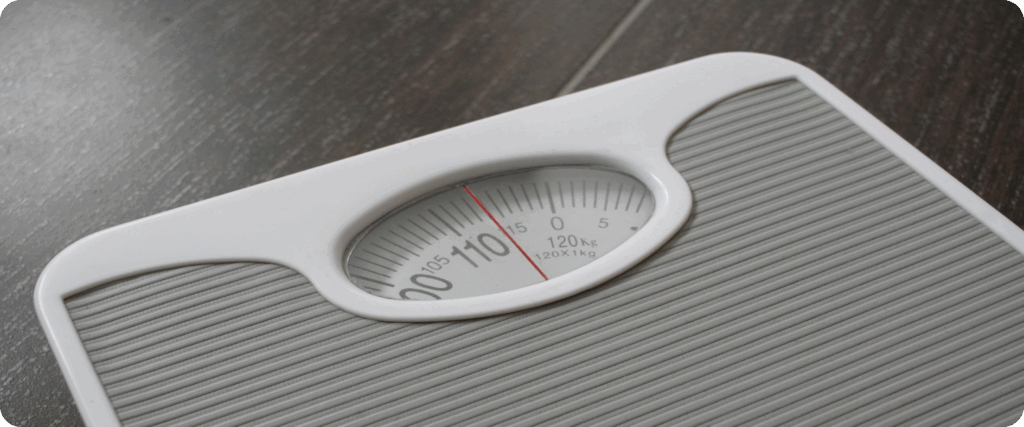
Chief Medical Officer Dr. John Oertle joins The BS Show to discuss National Childhood Obesity Awareness Month and discuss factors that can contribute to childhood obesity as well as what can be done to help with it. Read transcript or listen below.
Bob Sansevere (00:00):
We are joined by Dr. John Oertle, the Co-Founder and Chief Medical Officer for Solidarity HealthShare at solidarityhealthshare.org. Doctor, I got to tell you about when I was a kid, middle school, not even middle school was grade school, and this was in New Jersey and this is a while ago, but every Fall, we’d all go to the cafeteria. They’d have a scale and every kid would go up to be weighed. And the toughest thing for any kid was to hear “shhh” by a bunch of kids. They all wanted to hear how much another kid weighed who was carrying a little bit of weight on them. And hopefully that’s not happening anywhere in the country now. But it was embarrassing for a lot of kids. And even then I knew I was not one of the shushes, but I mentioned it because September, well, it it’s National Childhood Obesity Awareness Month. And I hope that, like I said, now people are much more aware of it and much more understanding that this does lead to a lot of things including, type two diabetes. It could be cardiovascular disease, sleep apnea for kids too. It could lead to anxiety and depression. There’s just so many things that child obesity could do that’s damaging. And you know more about this than I do.
Dr. John Oertle (01:22):
Oh, Bob. I mean, that’s a tragic story. That’s a tragic story that you’re having to get up in front of your peers and to give weight and body shaming. So this is not what it means to be able to actually participate in Childhood Obesity Awareness month. I don’t know any other place that actually does that anymore.
Bob Sansevere (01:42):
Okay. Which
Dr. John Oertle (01:43):
I’m really grateful about it.
Bob Sansevere (01:44):
Decades and decades ago
Dr. John Oertle (01:45):
In New Jersey, this is where it really is more than when we talk about this. It is, it’s tragic to see what’s going on though in our country, about one in five children are considered obese in the United States, and the childhood obesity rates have tripled over the last four decades. And so we’re seeing this continued rise and it is leading to increases in childhood diseases. And this isn’t risk for disease when you get older. This is actually children coming down with type two diabetes and cardiovascular disease and sleep apnea, which causes cardiovascular disease and joint issues. And then we’re even seeing that it’s contributing to childhood anxiety, depression and these mood issues. But I want to be able to make sure that everybody knows that it’s more than just counting calories. The children are not at fault for just eating too much. We think about this in an adult lens that this is somehow we’re just eating too much.
(02:48):
This is a complex issue. And one of the things that I find to be most helpful is even things like, again, it’s empty calories that we’re having, foods that are poor quality without nutritional status, or we’re having sugar added to our food substances and it’s creating a metabolic health. It’s one of the reasons that, again, I know that the Make America Healthy Movement is trying to make sure that we’re doing more to be able to put nutrients back into foods so that way we’re having better nutrition in our diets. Other things also like screen time, screen time in these electronics that are leading to more of a sedentary habit is a really strong concern as well. And then I also, I want to acknowledge as well, there’s a lot of psychosocial factors in just this isolation or not being present with a community. So Bob, what you were sharing was not a good, healthy experience of community, but being able to actually be engaged with community and having this mental health that’s a strong mental health that’s actually engaging with others and your peers. This has a lot to do with your ability to be able to just have the mindset to be able to take care of your body and to be able to make sure that you are remaining healthy.
Bob Sansevere (04:10):
Well, you had brought up something because it might’ve answered in part my question. Child obesity rates have tripled over the last four decades, now, four decades. There have not been cell phones. But I mean, is that a contributing factor? It’s got to be the fact that these kids aren’t, they’re not going out and playing. They’re staying on their phones and their computers. And also, I don’t think it’s the children that are doing it. The parents too could have an impact on their phones a lot more and maybe not thinking about healthy foods for their kids. They’re running to fast food all the time.
Dr. John Oertle (04:42):
Yeah. Experts are currently saying that you should be recommending at least be the age of 14 before getting a cell phone. Every time I see even children, and I think it could be even worth saying to be able to wait until 16. You’re just seeing more and more just these addictive properties to these cell phone use. And it is, it’s wreaking havoc on our children’s mental health, neurological health, and we see it in our metabolic health with just the amount of seditary activity that children are going through, getting all this activity on their phone, but yet nothing going on and going outside and being able to play sports or just being able to be active and walk around and be able to be with your friends as you’re hanging out together.
Bob Sansevere (05:27):
See, I mean, my daughter, my youngest daughter, I think they all had a cell phone certainly before. She’s 16 now and she’s had one for several years. But I think the biggest issue with cell phones, there’s many issues throughout the day, but one of the issues that help is prioritizing sleep. These kids take their cell phones to bed with them and they’re on TikTok or they’re on Snapchat, they’re talking to their friends late at night. I think that’s a big contributing factor. Maybe what we need to do is shut their phones off at night so they can’t use them because they are staying late at night on their phones.
Dr. John Oertle (06:02):
And there are those screen controls on phones that you can actually limit when those phones do come off. So please, for parents, please take full activity and those screen controls to make sure that your children are not going deep into the night without getting the actual sleep they need. Because leading to also just the lack of sleep is what you’re identifying is certainly causing anxiety. Depression. You also have leading to just obesity itself with in metabolic issues when it comes to just lack of sleep.
Bob Sansevere (06:37):
Well, and there is, I mean, processed foods are not good for you, but the other thing I’ve noticed, a lot of kids, there are so many more drinks that you had mentioned, sugary drinks with fruit in them. That doesn’t make ’em good just because it says it’s got fruit in them. And they also, a lot of ’em also have, there’s a lot of things that’ll jack you up beyond caffeine that I think parents need to be aware of too about this for their kids.
Dr. John Oertle (07:03):
When I look at these labels and we’ve become trying to be able to be a little more conscientious. I know parents are becoming more conscientious about this, more adults are being more conscientious about reading labels, looking at added sugars, and being able to actually evaluate, because we do see that so many of these products, it’s not just the sugary drinks. Yeah, the sugary drinks can be riddled with added sugars, but we also see it in just other products like marinara sauce, that you can see added sugars in our marinara sauces. The unfortunate thing is it’s one of those areas that instead of having a great quality, many times manufacturers will add in sugars to be able to make their product seem like it’s better or tastes better, and yet they’re not actually focusing on the quality of the actual food itself.
Bob Sansevere (07:53):
Well, I mean, it is been a few years, but since I was diagnosed with type two diabetes and it’s very much under control, but everything I buy, I look at the sugar content because I want to make sure that is low or non-existent because it will wreak havoc with an adult and it will certainly contribute issues for a kid as well. And the biggest thing is though, you got to get your kids outside. I mean, we have an advantage. None of my kids have had a weight issue. We live on a farm, we have horses. They’re out there doing either working or playing with horses. And I mean, my kids have been fortunate that they haven’t had that.
Dr. John Oertle (08:30):
It’s built into your daily life and it’s built into that daily, just the daily habits of your children to be able to get out there and just be active.
Bob Sansevere (08:39):
Well, that’s not to say they’re not on their phones too much, particularly my 16-year-old, she’s got her phone in her back pocket when she’s riding a horse. She gets ready to go into a barrel racing class and she hands her phone to her friend or someone or puts it in a jacket and throws it on the side. I mean, you got to spend a little time away from those. I don’t know how, I do know how we never had anything like that. When I was growing up, we had a dial up phone. It wasn’t even a push button had put your, it was –
Dr. John Oertle (09:10):
Connected, one of those, it was cord. It was a cord that was connected to a wall. You didn’t want to stand next to the refrigerator in this kitchen talking to your friends all night long because everybody’s overhearing what you’re saying.
Bob Sansevere (09:23):
Yeah. I did miss the time where you hold a piece of the phone and then you have the other piece up to your ear where you’re talking to one of the other ones. At the year, I didn’t make that one, but I did have, my grandparents had a party phone, a party line, which I was amazed that you pick it up, there’s somebody else talking. So I don’t know if people got to know them and they became friends or enemies, but that was really an odd time. But now though, there are so many things that you can do. What’s your biggest piece of advice for people who have children that might be a little overweight or overweight?
Dr. John Oertle (09:55):
Well, I would, one, please don’t body shame them, and it is one of these areas where we should be focusing on being able to actually make sure that we are leading by example, first of all, as adults, that we are leading by example and that we are being able to have physical activity, incorporate physical activity, and look at how to incorporate activities that include socialization and positive peer pressure and being able to have community back into their lives. This is where those two things, the physical activity and friends and connections are two of probably the most important things to be able to make sure that your child has a positive mental outlook of themselves, and that is really being able to be motivated to be able to live a healthy life.
Bob Sansevere (10:44):
Dr. Thank you, Dr. Oertle Chief Medical Officer, Co-Founder of Solidarity Health share, solidarityhealthshare.org, A great alternative to traditional healthcare. Check it out. Go to that solidarityhealthshare.org and it might be right for you. I mean, my family and I have been members for a number of years and we’ve been pleased with it. Doctor, thank you. We’re going to take a quick break and the BS Show will be right back.
Join The Movement
Solidarity HealthShare is a non-profit healthcare sharing ministry rooted in the teachings of the Catholic Church. Established in 2016, we operate on the Catholic principles of solidarity and subsidiarity, in accordance with the Church’s commitment to promoting life-affirming, faith-based healthcare.
We strive to provide an ethical, community-driven alternative to traditional health insurance. Through direct Member-to-Member sharing, Members are able to access quality healthcare services while preserving their family’s financial, physical, and spiritual health, all at once. Members never need to worry about their healthcare dollars funding immoral medical procedures. We promote a holistic approach to healthcare, emphasizing the importance of physical, mental, and spiritual well-being.
At the heart of our ministry’s mission to restore and rebuild an authentically faith-based healthcare culture in America is the recognition that every single person has inherent human dignity. We seek to promote healthcare that honors the sanctity of human life from conception to natural death.
To learn more about our community and how to join our fight against abortion on demand, click the banner below!
